Why OpenAI Spent Over $15 Million on Chat.com: The Untold Branding Play
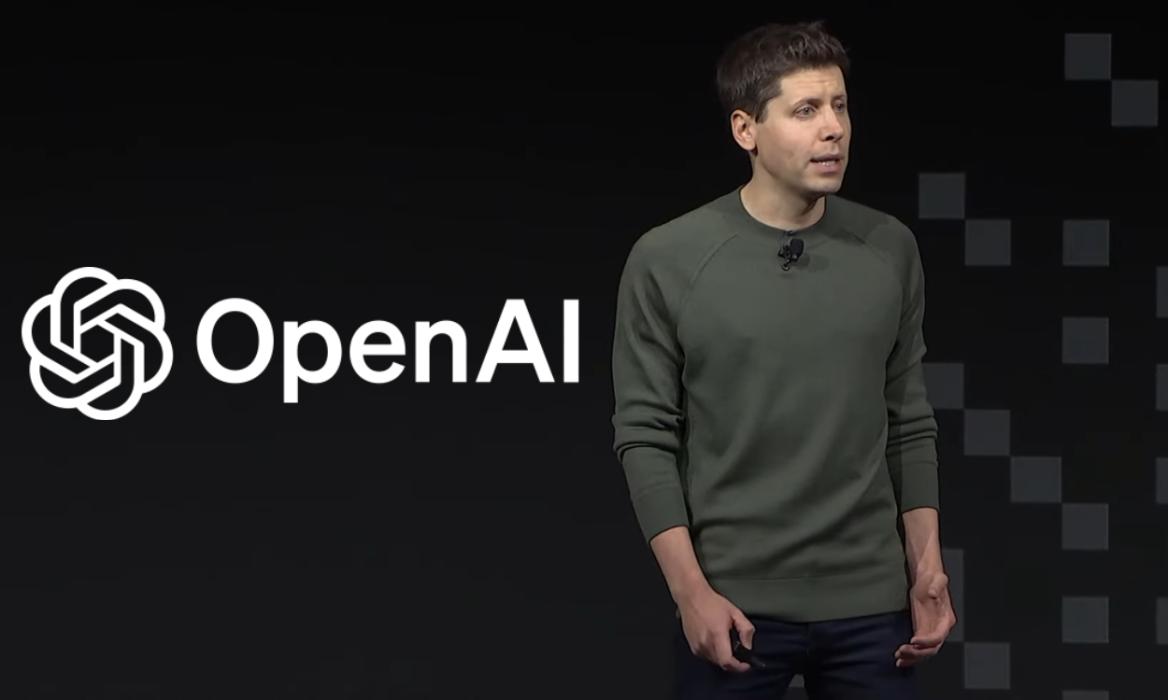
On the internet, names are more than labels. They’re shortcuts to trust, recall, and credibility. For a company like OpenAI, whose flagship product ChatGPT has become nearly synonymous with conversational AI, securing Chat.com was about more than prestige. It was about owning a word so simple, so universal, that it removes every barrier between a user and the product.
In a world where millions of startups struggle to be memorable, Chat.com is a digital crown jewel.
Why $15 Million Was a Bargain
Spending over $15 million might sound extravagant for a single word. But in the world of premium domains, short, single-syllable, dictionary terms are rare treasures. Think about it: how many billion-dollar industries are built on everyday words like Apple, Amazon, or Zoom?
Domains like these become timeless entry points. They’re intuitive, easy to type, and instantly convey authority. For OpenAI, that means anyone curious about “chat” can stumble into ChatGPT with almost no effort.
From a branding perspective, Chat.com is priceless because it strips away complexity. Users don’t have to remember a long domain or a brand-specific variation. The word chat is the most direct invitation possible to start a conversation.
Redirects: A Strategic Move, Not a Placeholder
Currently, Chat.com doesn’t exist as a standalone website. Instead, it redirects directly to ChatGPT.com. This isn’t laziness or indecision. It’s deliberate. The redirect ensures that all potential traffic to Chat.com strengthens the visibility of the ChatGPT brand.
Redirects like this are common among tech giants. Google, for example, owns Gmail.com and Mail.com, both feeding into the same service. Owning Chat.com isn’t about launching a new platform—it’s about securing a powerful entry point and preventing competitors from ever using it.
Psychological Weight: Why Simple Domains Work
There’s a psychological dimension to short, clean domains. They suggest permanence and authority. If a company controls a single, powerful word online, people subconsciously assume it must be the definitive source. Just as Hotels.com became synonymous with booking hotels, Chat.com anchors OpenAI’s dominance in the world of AI-powered conversations.
For the average internet user, it removes friction. Instead of wondering, Where should I go to try this AI everyone is talking about?, typing chat.com becomes the instinctive action.
The Competitive Advantage
The domain also acts as a moat. Imagine if a competitor had secured Chat.com years earlier and used it for their own conversational AI tool. OpenAI would constantly battle confusion, brand dilution, and missed opportunities. By controlling it, they eliminate that risk entirely.
This acquisition also signals confidence. Few companies are bold enough to spend millions just on a word. OpenAI’s willingness to do so shows long-term thinking: ChatGPT isn’t a trend; it’s the cornerstone of the company’s identity.
The Future of Chat.com
While today Chat.com is only a redirect, its future potential remains open. OpenAI could transform it into a sleek landing page that introduces new users to the concept of conversational AI, or even make it a central hub for all of its consumer products. The beauty of owning such a domain is flexibility. Whether used directly or as a gateway, it will always funnel users into OpenAI’s ecosystem.
Conclusion: More Than a Name
At first glance, buying Chat.com might seem like a vanity move. But in reality, it’s about clarity, trust, and positioning. In the race to define the future of AI, words matter—and few words carry as much weight online as chat. By linking that word to ChatGPT, OpenAI ensures that when people think about chatting with AI, they land exactly where OpenAI wants them to.
The domain is not just an expensive redirect. It’s a long-term investment in simplicity, authority, and brand dominance.